The concept of Artificial Intelligence (AI) has been around for several decades, and with the most recent advances in technology has led to seemingly unlimited opportunities to increase convenience of life, quality of life, and more. In general terms, AI is defined as a “wide-ranging tool that enables people to rethink how we integrate information, analyze data, and use the resulting insights to improve decision-making” (West & Allen, 2018). The main qualities that are associated with AI are:
- Intentionality: AI algorithms are intended to make decisions and often use real-time data.
- Intelligence: AI is interlinked with machine learning and data analysis.
- Adaptability: AI systems are able to adapt as they make decisions.
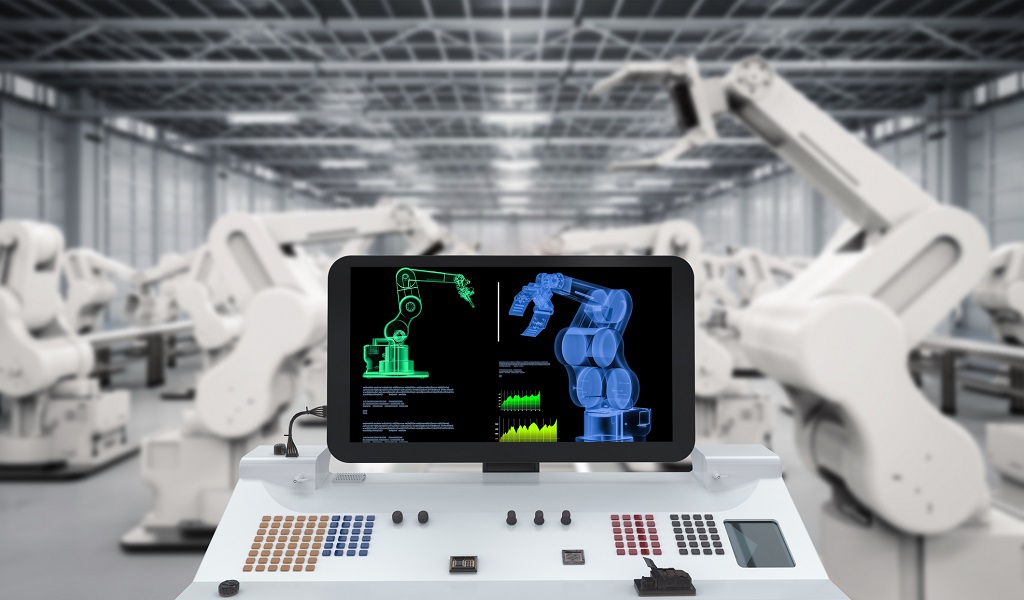
More importantly, the existence and adjustable characteristics of Artificial Intelligence make it a substantial asset, especially for improving business processes within industries. Alibaba Group is an example of a larger conglomerate company recognized for its utilization of AI within its presentation of a shopping experience (Erickson & Wang, 2017). Alibaba is a company located in China that specializes in commerce, retail, Internet, and technology. It has created one of the largest networks in the world of interconnected computer servers, which is used to a network to run its e-commerce empire (Erickson & Wang, 2017).
Some of the enhancements of the customer journey that Alibaba has implemented include virtual storefronts with information tailored to specific shoppers based on preferences, customer-service chatbots with the ability to resolve consumer complaints on their own, and more. A vital part of Alibaba’s implementation of AI is its application of machine-learning methods such as reinforcement learning, which, referring back to the second main quality associated with AI, entails a process similar to how human brains learn through experience. This way, customers can potentially have a more convenient shopping and overall better experience because Alibaba’s merchants are able to provide things like personalized shopping pages for customers (Erickson & Wang, 2017).
Another example of an industry in which companies are beginning to utilize Artificial Intelligence, perhaps unexpectedly, is in the world of cooking and baking. A form of AI technology currently being developed and used by companies that work with food is called an MEMS sensor. This technology paired with AI is able to identify elements “such as smell, taste, consistency and other properties which AI will use to categorize food” (Brown, 2019). Considering how there are certainly standards in place in the food industry regarding ingredients that pair well, which recipes require which additives, and more, an AI system would have the ability to explore available data on flavor combinations and consumer preferences in order to make processing and preparation in the food industry far easier.
With more data available to process, turn into information, and use as knowledge, Artificial Intelligence applications can fundamentally be viewed as strategic opportunities to succeed in today’s technology-oriented world, not just for companies and industries as a whole, but also for governments, societies, and economies. Of course, there are drawbacks to AI as well, such as relatively high costs, potential rise in unemployment as AI applications and systems take on more work for companies, and there is a limit to how much AI can do in the service industry, as human interaction is an inimitable. However, considering the inevitable future increase in the development, the improvement, and the use of AI advantages, it is likely worth it to place an emphasis on the understanding of how AI works and how different applications can be used as opportunities for advancement.
List of References:
- Brown, P. (2019, September 6). Cooking with artificial intelligence. Globalspec. https://insights.globalspec.com/article/12559/cooking-with-artificial-intelligence
- Erickson, J. & Wang, S. (2017, June 5). At Alibaba, Artificial Intelligence is Changing How People Shop Online. Alizila. https://www.alizila.com/at-alibaba-artificial-intelligence-is- changing-how-people-shop-online/
- West, D.M. & Allen, J.R. (2018, April 24). How artificial intelligence is transforming the world. Brookings. https://www.brookings.edu/research/how-artificial-intelligence-is- transforming-the-world/
 Kasia Wolyn's MIS304 Assignment site